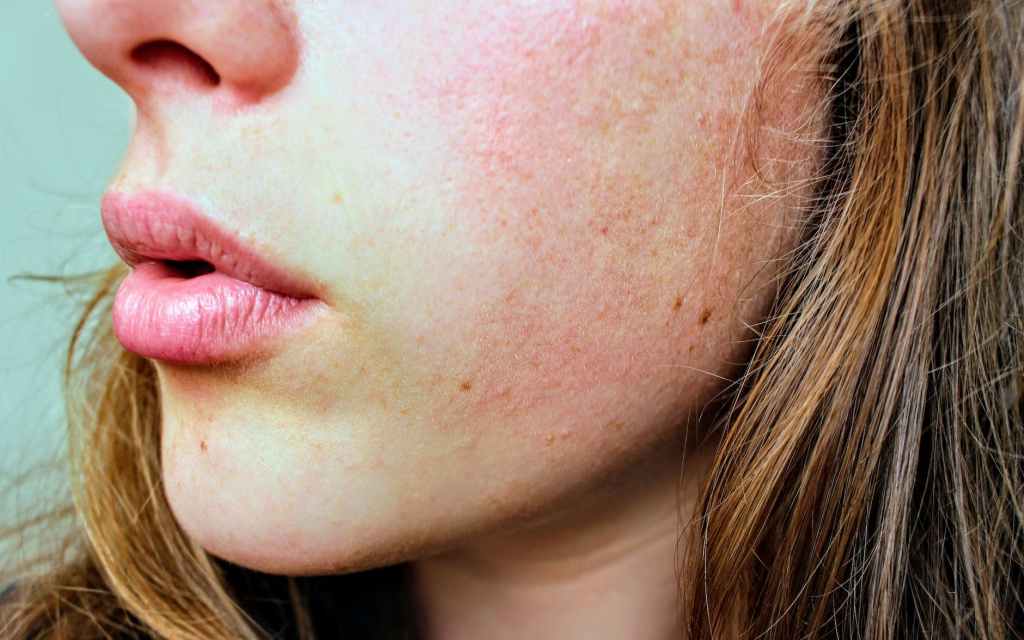
Acne is a common skin condition characterized by the appearance of pimples, blackheads, whiteheads, and sometimes deeper cysts or nodules. Understanding the science behind acne is the first step in effectively treating it and improving skin clarity.
The Science of Acne
- Sebum Production: Sebaceous glands in the skin produce an oily substance called sebum, which is necessary for protecting and hydrating the skin. However, excessive sebum production can lead to acne.
- Clogged Pores: A combination of excess oil, dead skin cells, and other debris can clog pores, creating an ideal environment for acne development.
- Bacteria Proliferation: The bacterium Propionibacterium acnes (P. acnes) thrives in this oily environment, and its overgrowth can cause inflammation and worsen acne.
- Inflammation: When the immune system responds to bacteria and dead cells trapped in clogged pores, inflammation occurs, resulting in the redness and swelling associated with acne.
- Hormonal Fluctuations: Hormones can play a significant role in acne. Androgens, for instance, can increase sebum production, leading to more frequent or severe breakouts, particularly during puberty, menstrual cycles, or other times of hormonal change.
Acne Treatments and How They Work
- Benzoyl Peroxide: This topical treatment kills P. acnes bacteria and helps to peel out the inner lining of the pore, which reduces the blockage of oil and dead skin cells.
- Salicylic Acid: This beta-hydroxy acid (BHA) works by exfoliating the skin to remove dead skin cells that clog pores. It can also reduce inflammation and redness.
- Retinoids: Derived from vitamin A, retinoids such as tretinoin reduce inflammation and normalize the shedding of dead skin cells to prevent clogged pores. They also have anti-aging benefits, helping to increase cell turnover and collagen production.
- Antibiotics: Oral or topical antibiotics can reduce inflammation and the number of acne-causing bacteria on the skin and decrease inflammation.
- Azelaic Acid: This naturally occurring acid has antibacterial properties that reduce P. acnes, and it can normalize skin cell turnover to prevent clogged pores.
- Alpha-Hydroxy Acids (AHAs): Like glycolic acid, AHAs exfoliate the outer layer of skin, helping to remove dead skin cells and smooth out the skin’s surface.
- Hormonal Treatments: For some, especially women with signs of hormone-related acne, treatments such as oral contraceptives or anti-androgen drugs can regulate hormone levels and reduce acne.
- Isotretinoin: A powerful oral retinoid used for severe acne that hasn’t responded to other treatments; it dramatically reduces the size of the skin’s oil glands and sebum production.
Best Practices for Acne-Prone Skin
- Gentle Cleansing: Wash your face twice a day with a mild cleanser and warm water to remove excess oil and dirt.
- Non-Comedogenic Products: Use skincare and makeup products labeled “non-comedogenic,” as they are less likely to clog pores.
- Avoid Over-Exfoliation: While exfoliation can help, overdoing it can irritate the skin and worsen acne.
- Diet and Hydration: A healthy diet and proper hydration may support skin health, although diet does not cause acne directly.
Conclusion
Clearing acne involves a multifaceted approach that addresses excess oil, clogged pores, bacteria, and inflammation. Treatments range from over-the-counter topical products to prescription medicines and should be tailored to your specific type of acne and its severity. Understanding the scientific mechanisms behind both acne and its treatments is key to developing an effective skincare regimen. Consultation with a dermatologist can result in a personalized treatment plan and additional strategies, including possible lifestyle changes, to combat acne.
Disclaimer
No content on this site, regardless of date, should ever be used as a substitute for direct medical advice from your doctor or other qualified clinician.


 ClearHealthLiving
Leave a comment