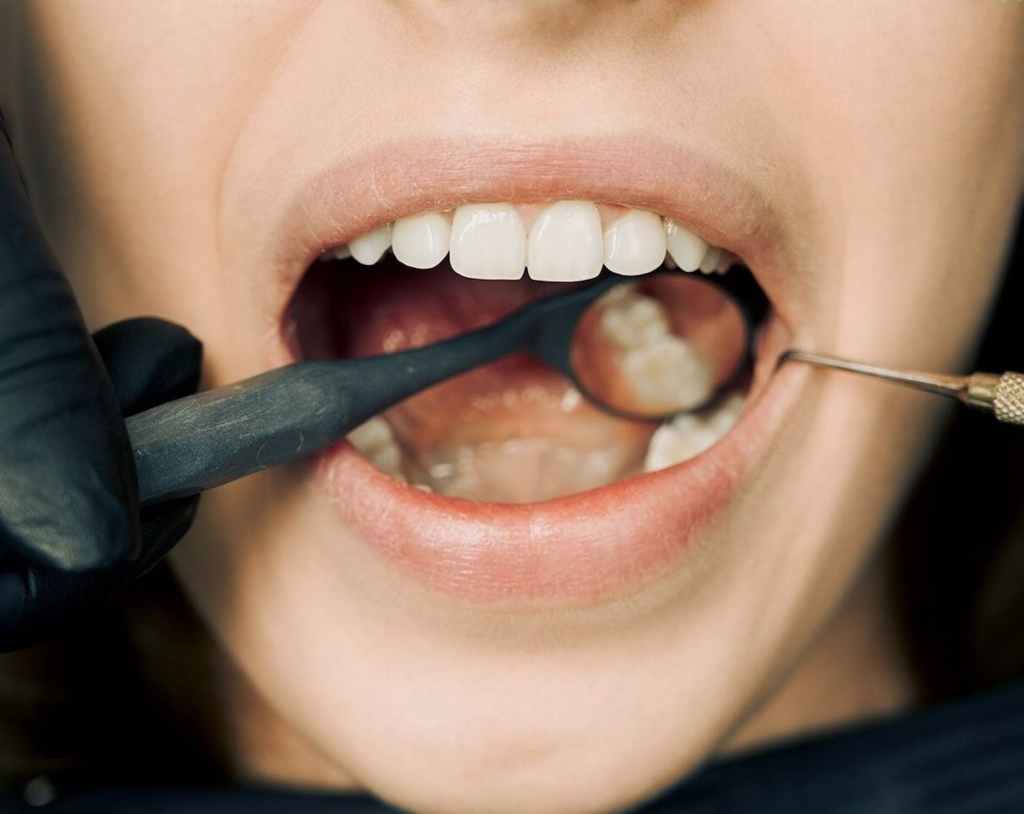
Dental crowns and veneers are two different types of dental
restorations used to improve the appearance and function of teeth. They
cater to different dental needs and vary in their application, coverage,
material, durability, and cost. Here is a detailed look at the
differences between the two.
Purpose of Dental Crowns vs. Veneers
- Dental Crowns:
Crowns are used to cover the entire tooth. They are typically used for
teeth that are significantly damaged or decayed, have undergone root
canal treatment, or have large fillings. Crowns restore the tooth’s
shape, size, strength, and appearance. - Veneers:
Veneers are thin shells designed to cover only the front surface of the
teeth. They are primarily used for cosmetic purposes, such as improving
the appearance of teeth that are discolored, worn down, chipped,
misaligned, uneven, or have gaps.
Coverage and Application
- Crowns: A dental crown encases the entire tooth, providing reinforcement and protecting it from further damage.
- Veneers:
A veneer covers only the front surface of the tooth, requiring less
removal of the tooth’s original structure compared to a crown.
Materials Used
- Materials for Crowns: Crowns can be made from porcelain, ceramic, metal alloys, or a combination of materials such as porcelain fused to metal.
- Materials for Veneers: Veneers are typically made from porcelain or composite resin materials.
Procedure and Preparation
- Crown Placement:
Installing a crown usually demands more extensive preparation, where a
significant amount of tooth structure may need to be removed to make
room for the crown. - Veneer Placement: Veneer
placement is a less invasive procedure, often requiring just the removal
of a small amount of enamel from the front of the tooth.
Durability and Lifespan
- Durability of Crowns: Crowns are generally more durable and have a longer lifespan than veneers, especially those made from gold or metal alloys.
- Lifespan of Veneers:
Porcelain veneers are sturdy and can last for many years, but they may
need replacement sooner than crowns because they’re not as encompassing.
Cost Comparison
- Cost of Dental Crowns: Crowns are typically more expensive than veneers due to the material costs and the complexity of the procedure.
- Cost of Veneers:
The cost of veneers varies depending on the material and the number of
teeth being treated but generally are less costly than crowns.
Aesthetic Outcome
- Aesthetics of Crowns and Veneers:
Both restorations can significantly improve the aesthetic of your
teeth. The best option depends on the extent of tooth damage and the
desired result.
Conclusion
When
deciding between a crown and a veneer, it is important to consider the
condition of the tooth, the desired aesthetic outcome, cost, and the
recommendation of a dental professional. While both restorations improve
the appearance and function of teeth, crowns provide full coverage and
are used for more severely compromised teeth, whereas veneers are a more
conservative option primarily for cosmetic improvements. Always consult
a qualified dentist to choose the right treatment for your individual
needs.



 ClearHealthLiving
Leave a comment