
Aging is a natural process, yet many aspects of modern life can accelerate it. Understanding the science behind aging can help you make choices that potentially slow down this process. Here is what science says about aging and how you may be able to slow its progress.
Genetic Factors
- Telomeres: Telomeres protect the ends of chromosomes and naturally shorten as we age. Shorter telomeres are associated with aging and reduced cellular function.
- DNA Repair: The body’s ability to repair DNA damage declines with age, contributing to the aging of cells.
- Gene Expression: Changes in how genes are expressed as we age can influence longevity and the aging process.
Oxidative Stress and Cellular Damage
- Free Radicals: These unstable molecules can cause oxidative stress, which damages cells and is a key factor in aging.
- Antioxidants: A diet rich in antioxidants can help neutralize free radicals, potentially slowing down the oxidative stress on cells.
Mitochondrial Function
- Energy Production: Mitochondria are responsible for energy production in cells. Mitochondrial dysfunction is a hallmark of aging.
- Lifestyle Choices: Exercise and certain dietary interventions are believed to support mitochondrial health.
Hormonal Changes
- Hormone Levels: Hormone levels, such as estrogen and testosterone, naturally decline with age and affect various bodily functions.
- Hormone Replacement Therapy: While some suggest hormone replacement to counteract these effects, the risks and benefits should be carefully weighed with a healthcare professional.
Lifestyle Factors
- Healthy Diet: Eating a balanced diet with a focus on whole foods, fruits, vegetables, lean proteins, and healthy fats can promote long-term health.
- Physical Activity: Regular exercise has been shown to support healthy aging by improving muscle mass, cardiovascular health, and mitochondrial function.
- Stress Management: Chronic stress can accelerate cellular aging, so engaging in stress-reduction techniques like mindfulness or yoga can be beneficial.
Skin Aging and Sun Protection
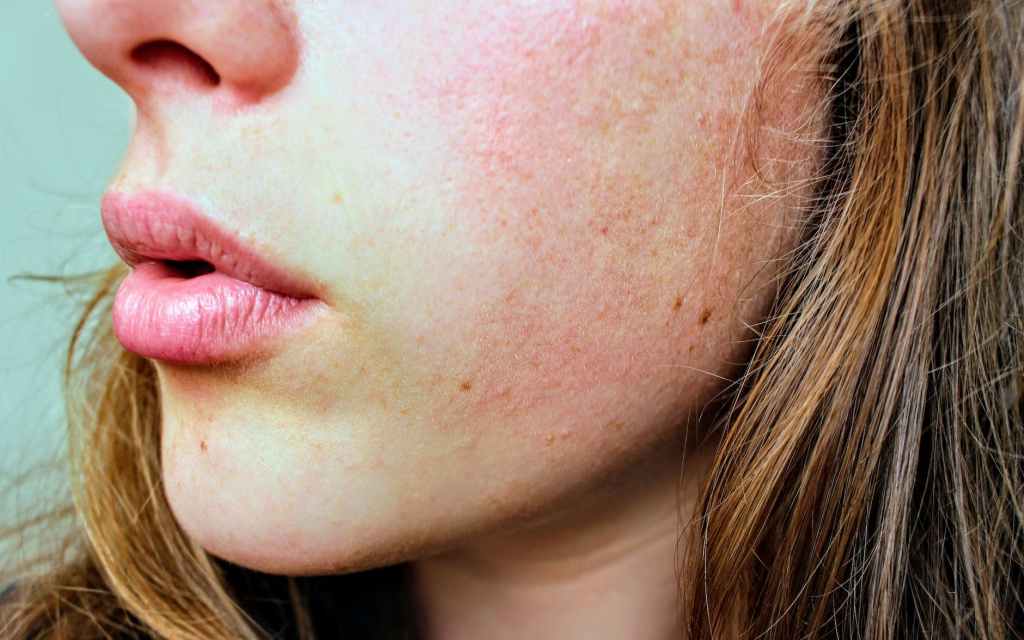
- UV Radiation: UV exposure can accelerate skin aging by damaging DNA and collagen. Use broad-spectrum sunscreen to protect the skin.
- Skincare: Regular use of products containing retinoids, vitamin C, and alpha-hydroxy acids can support skin health and appearance.
Sleep Quality
- Restful Sleep: Quality sleep is essential for the repair and rejuvenation of cells. Aim for 7-9 hours of sleep per night.
- Sleep Hygiene: Practice good sleep hygiene by maintaining a regular sleep schedule and creating a restful sleeping environment.
Caloric Restriction and Fasting
- Metabolic Changes: Some studies suggest that caloric restriction and intermittent fasting may slow the aging process by inducing beneficial metabolic changes.
Conclusion
The science of aging includes genetic, molecular, and lifestyle factors. While genetic predispositions play a crucial role, lifestyle choices can significantly influence the rate at which aging occurs. By implementing strategies that protect DNA, reduce oxidative stress, support healthy hormone levels, and encourage good nutrition and physical activity, one may be able to slow the progression of aging. However, any significant lifestyle changes or interventions should be discussed with a healthcare professional.
Disclaimer
No content on this site, regardless of date, should ever be used as a substitute for direct medical advice from your doctor or other qualified clinician.


 ClearHealthLiving
Leave a comment