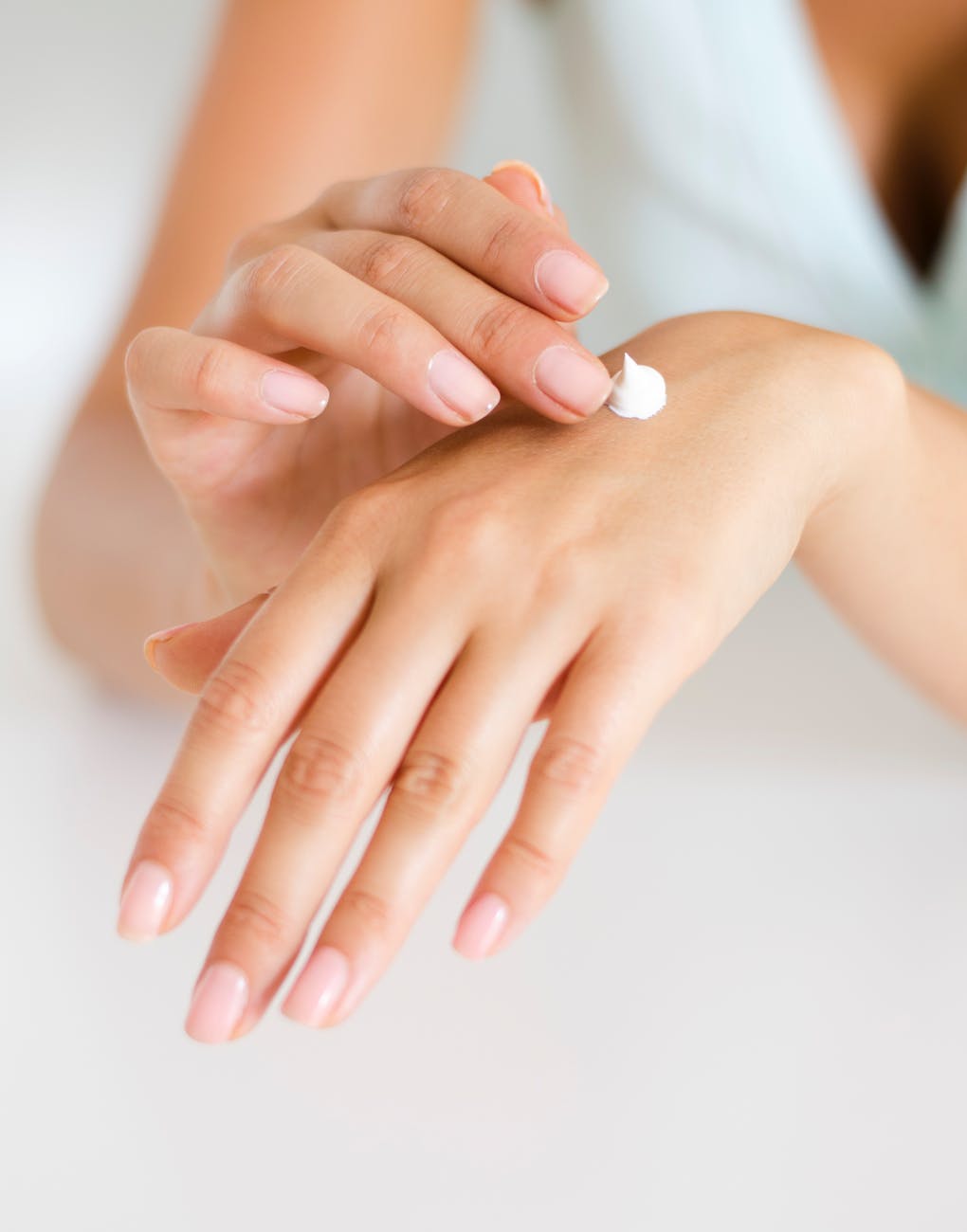
Dry skin, or xerosis, can be an uncomfortable condition characterized by itching, scaling, and even cracking. Several factors contribute to dry skin, from biological to environmental, including some that can be managed with simple lifestyle changes.
Decreased Sebum Production
Natural oils, or sebum, keep the skin moisturized, but factors like aging or genetics can reduce production, leading to dryness. Using products that mimic the skin’s natural oils can be beneficial, especially those that are formulated for sensitive or dry skin types.
Environmental Influences
The climate, particularly cold, dry air, can sap moisture from the skin. Using a humidifier, avoiding harsh winds, and shielding your skin in extreme temperatures can help retain moisture and prevent drying.
Skincare Practices
The use of harsh soaps or over-washing can strip the skin’s oils, and not moisturizing properly can exacerbate dryness. Opt for gentle cleansers, reduce the frequency of washing, and moisturize your skin while it’s still damp to lock in moisture.
Hydration and Nutrition
Proper hydration is crucial for maintaining skin moisture, and a diet lacking in essential fatty acids can negatively affect your skin’s appearance. Drinking plenty of water and eating foods rich in omega-3s, like certain fish and nuts, can boost your skin’s health.
Health and Medication
Underlying health conditions, such as diabetes or thyroid issues, and certain medications can cause dry skin. If you suspect your dry skin is health-related, it’s important to seek medical advice to address the foundational cause.
Lifestyle Choices
Your habits can also impact your skin’s moisture levels. Frequent hot showers, using drying products, or exposing the skin to chemicals can lead to dryness. Limit shower time and temperature, and select skincare products thoughtfully.
Age-Related Changes
As we age, our skin tends to get drier due to a natural decrease in oil production and the skin’s diminishing ability to retain moisture. Products designed for mature skin, including those with hydrating and exfoliating properties, can mitigate some of these effects.
Conclusion
Dry skin can often be alleviated through careful skincare and lifestyle adjustments, such as moisturizing correctly, protecting against harsh climates, and improving your diet and hydration habits. Persistent or severe dryness may require consultation with a dermatologist for specialized treatments or to screen for other health issues.
Disclaimer
No content on this site, regardless of date, should ever be used as a substitute for direct medical advice from your doctor or other qualified clinician.



 ClearHealthLiving
Leave a comment