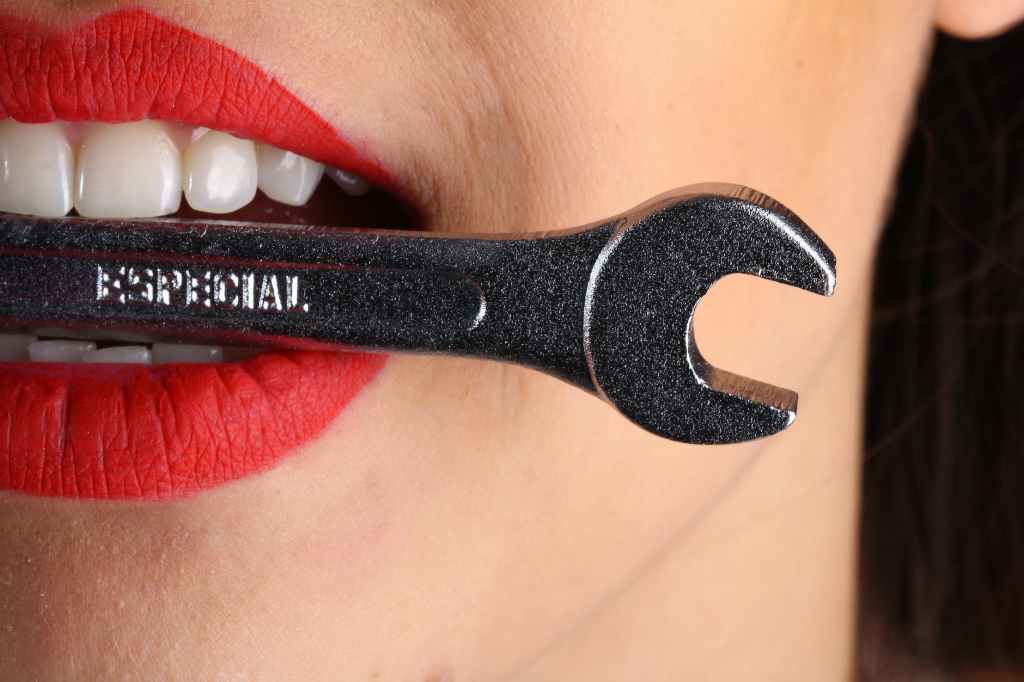
Whitening your teeth can boost your confidence and improve your smile. There are multiple methods available, ranging from at-home remedies to professional treatments. It’s important to approach teeth whitening with care, as not all methods are suitable for everyone, and some can cause damage to your teeth or gums if used incorrectly.
Professional Teeth Whitening
Professional teeth whitening treatments are performed by a dentist and can deliver immediate and noticeable results. Dentists use high-concentration bleaching agents and may employ light or laser to enhance the whitening process. A study has shown that these professional treatments are effective and can last for an extended period if maintained properly (source).
At-Home Whitening Kits
Over-the-counter whitening kits can be a convenient option for many users. They usually include whitening strips, gels, or trays. It’s crucial to follow the manufacturer’s instructions to avoid overuse, which can lead to tooth sensitivity or damage to the enamel. Research has demonstrated that at-home kits can be effective, but results can vary (source).
Whitening Toothpaste and Mouthwashes
Regular use of whitening toothpaste and mouthwashes can remove surface stains on the teeth. These products often contain mild abrasives or chemicals that work to polish the teeth and prevent new stains from forming. A study indicates that these can be effective over time, but might not deliver dramatic whitening effects like other methods (source).
Natural Remedies
Some people prefer natural remedies, such as using baking soda or activated charcoal. These substances can help to remove surface stains due to their abrasive texture. However, they should be used sparingly, as excessive use can wear down the enamel. There is limited scientific evidence supporting the effectiveness of these natural methods (source).
In-Office vs. At-Home Treatment Timing
In-office treatments typically take about an hour and results are immediate, while at-home treatments can take a few days to several weeks to show results, depending on the strength of the agent and frequency of use. Studies suggest that for lasting effectiveness, in-office treatments combined with at-home maintenance can yield the best results (source).
Avoiding Staining Habits
Preventive measures can help maintain the whiteness of your teeth. This includes minimizing the intake of teeth-staining substances like coffee, tea, red wine, and tobacco. Good oral hygiene practices, including brushing and flossing regularly, are essential in preventing discoloration and maintaining dental health (source).
Risks and Considerations
Before deciding on a teeth whitening method, it’s important to consider the potential risks, such as tooth sensitivity and gum irritation. Some methods are not suitable for individuals with dental restorations, like crowns or veneers. It’s always best to consult with a dentist to determine the safest and most appropriate treatment for your particular needs (source).
Conclusion
Teeth whitening can be a safe and effective way to improve the appearance of your smile when done responsibly. Consider the options available, from professional treatments to at-home remedies, and weigh them against your needs and the advice of a dental professional. Always prioritize the health of your teeth and gums over cosmetic results, and maintain good oral hygiene practices for lasting benefits.
Disclaimer
No content on this site, regardless of date, should ever be used as a substitute for direct medical advice from your doctor or other qualified clinician.


 ClearHealthLiving
Leave a comment